What to Expect from Minneapolis top Lawn Care Services for Your Property
What to Expect from Minneapolis top Lawn Care Services for Your Property
Blog Article
Full-Service turf care packages for a thriving, flourishing Yard
Extensive turf services services are important in accomplishing a stunning, robust yard. Typical approaches including grass cutting, aeration, and nutrient application bolster powerful grass growth while reducing undesirable plants and harmful organisms. Understanding soil health is just as essential, as it influences nutrient assimilation. Property owners typically face challenges in managing their grass. The ideal methods can deliver significant advantages, yielding a verdant garden space that boosts property value. How can you identify the critical steps to ensure success?
Important Lawn Care Services for Best Growth
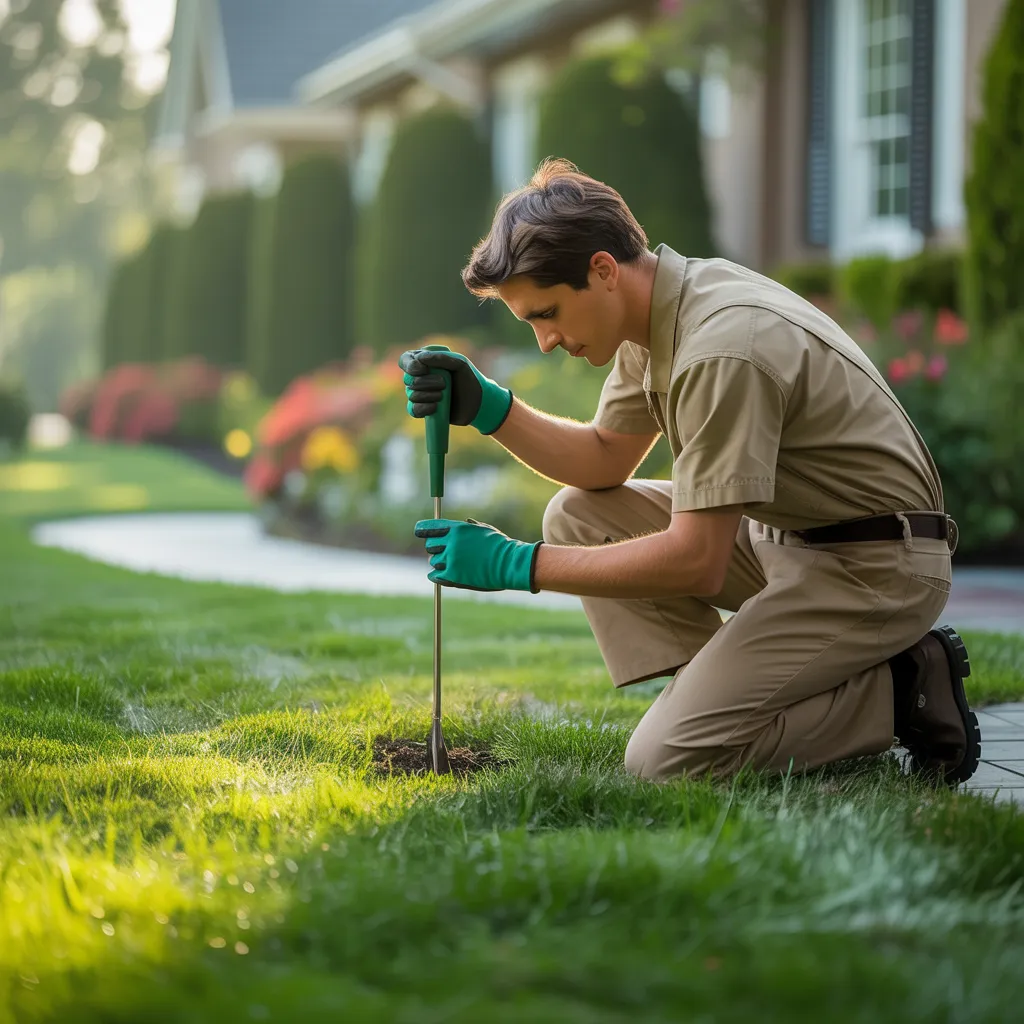
Key lawn care services play an essential role in promoting ideal growth for any yard. These services encompass a variety of practices that guarantee the health and vigor of the grass. Regular mowing is critical, as it supports uniform growth while keeping weeds from establishing. Aeration is another important service, enabling air, water, and nutrients to penetrate the soil, encouraging deeper root development. Fertilization provides important nutrients that promote growth and boost color, contributing to a lush appearance. Weed control is equally important, as it guards the lawn from invasive species that compete for resources. Additionally, proper irrigation practices, including scheduling and monitoring, guarantee that the lawn obtains adequate moisture without excess watering. Together, these key lawn care services establish an environment where grass can thrive, ultimately resulting in a vibrant and healthy yard. Following these practices regularly can greatly improve the overall aesthetics and functionality of outdoor spaces.
Why Soil Vitality Is Fundamental to Your Lawn's Success
Soil quality serves as the foundation to support a flourishing grass, impacting each aspect from nutrient availability through moisture preservation. Healthy soil contains abundant biological material, which helps preserve hydration and provides essential nutrients for grass growth. Correct acidity levels is also critical, since it affects the lawn's ability to absorb such elements. Moreover, helpful microbes present in quality soil encourage nutrient circulation while enhancing soil structure, resulting in better aeration enhanced water drainage.
In comparison, depleted soil conditions can lead to compressed, nutrient-starved conditions that impede grass growth. Weeds and pests can thrive in poor soil quality, competing with grass for resources. Regular soil testing and amendments can help maintain ideal conditions. Ultimately, investing in soil health is crucial for a lush, green lawn, as it fosters a robust ecosystem that sustains healthy grass and minimizes the need for synthetic treatments.
How to Opt for the Best Fertilization Strategy
Fertilization functions as a significant role in keeping a healthy lawn, particularly after establishing a solid soil foundation. To choose the right fertilization strategy, one must beforehand determine the specific nutrient needs based on soil tests. Recognizing the main nutrients—nitrogen, phosphorus, and potassium—aids in choosing the appropriate fertilizer type. For instance, nitrogen promotes growth, phosphorus facilitates root development, and potassium boosts overall resilience.
The timing of fertilizer application is also important; fertilizing during active growth can enhance nutrient uptake. Furthermore, evaluating your grass species is vital, as various grass types require different nutrients. Slow-release fertilizers deliver continuous nutrition, while quick-release options offer immediate benefits.
In conclusion, environmental conditions such as rainfall and temperature should guide application rates and frequency. By recognizing these variables, homeowners can construct a tailored fertilization strategy that fosters a lush, green lawn while enhancing persistent wellness and resilience.
Lawn Maintenance: Powerful Pest Management Strategies
Effective pest management is important for keeping a healthy lawn. Integrated Pest Management (IPM) strategies present a broad-based approach, combining different methods to control pests while decreasing environmental damage. Additionally, natural pest control methods supply eco-friendly alternatives that can be equally powerful in protecting lawns from damaging pests.
Integrated Bug Management Strategies
Integrated Pest Management (IPM) systems offer a all-encompassing approach to maintaining robust lawns while minimizing environmental impact. This framework emphasizes the essential importance of surveying pest concentrations and understanding their biological cycles. By pinpointing pests accurately, lawn care professionals can implement targeted remedies rather than blanket treatments. Soil and plant practices, including proper watering and grass cutting techniques, play an indispensable function in preventing pest issues. Additionally, cultivating beneficial organisms, such as predatory insects, can help keeping in check pest abundances naturally. Regular appraisal and adaptation of systems assure the lawn endures resilient against infestations. Overall, IPM establishes a balanced ecosystem, reducing dependence on chemical pesticides and furthering sustainable lawn care approaches that contribute to a thriving green terrain.
Natural Bug Management Approaches
Building on the foundations of Integrated Pest Management, organic pest control methods deliver a sustainable strategy to handling lawn pests without synthetic chemicals. These techniques emphasize the use of natural materials and biological agents to deter harmful insects. For instance, beneficial insects like ladybugs and lacewings can be introduced to control aphid populations. Additionally, natural repellents such as neem oil and diatomaceous earth are powerful alternatives to traditional pesticides. Regularly monitoring pest populations and promoting healthy soil through composting further strengthen lawn resilience. By focusing on ecological balance, organic pest control not only protects the lawn but also encourages local biodiversity, creating a vibrant and thriving environment. This holistic approach aligns with growing consumer preferences for environmentally friendly lawn care solutions.
Why Aerating and Reseeding Enhance Your Lawn Care
Aeration and overseeding perform significant roles in reviving a yard, increasing its quality and aesthetic value. Aeration requires creating perforations the soil with openings to minimize compaction, permitting air, water, and nutrients to reach deeper roots. This action bolsters stronger root systems and enhances overall soil quality. By promoting better water absorption, aeration helps the grass flourish, primarily in high-traffic areas.
Overseeding complements aeration by adding new grass seed to the existing lawn. This technique fills in bare patches and promotes thicker, healthier growth. It also assists in strengthening the lawn's resistance to pests and diseases. The pairing of aeration and overseeding creates ideal conditions for seed germination, resulting in a lush, green yard.
Together, these techniques not only enhance the aesthetic appeal of a lawn but also support its lasting durability, rendering them vital elements of successful lawn care solutions.
Seasonal Pointers for a Vibrant Lawn Every Season
To maintain a verdant lawn throughout the year, defined seasonal approaches are critical. In spring, effective fertilization can stimulate healthy growth, while fall aeration techniques help prepare the grass for winter. Understanding these practices guarantees a lush lawn regardless of the season.
Spring Application Systems
A properly scheduled spring fertilization strategy can markedly enhance the vitality and appearance of a lawn year-round. As temperatures increase and grass begins to grow, applying a balanced fertilizer containing nitrogen, phosphorus, and potassium can supply necessary nutrients. Timing is crucial; fertilization should occur after the last frost when grass is actively growing. This encourages strong root development and vibrant green blades. Additionally, selecting slow-release formulations can ensure nutrients are delivered over an extended period, promoting sustained growth. It is essential to follow the manufacturer’s recommendations for dosages and frequency to prevent over-fertilization, which can harm the lawn and the environment. Proper watering after fertilization further aids nutrient absorption, setting the foundation for a lush lawn.
Fall Soil Aeration Practices
Revitalizing a lawn in the fall often involves using proven aerating methods. Aeration is essential for improving soil quality and encouraging strong root growth. This process involves puncturing earth with small holes to reduce soil density, allowing air, water, and nutrients to penetrate deeper. The best time for fall aeration is when the grass is actively growing, typically between September and October. Homeowners can choose between plug aeration, which removes plugs of soil, and needle aeration, which simply creates holes. Following aeration, applying a well-rounded plant food can further support recovery and growth. Regular fall aeration not only enhances turf durability but also prepares it for the winter months, ensuring a lush and vibrant yard come spring.
Advantages of Engaging Professional Lawn Care Solutions
Engaging expert turf management services revamps outdoor spaces into abundant, dynamic outdoor environments. These experts deliver professional expertise and specialized skill, ensuring that lawns get tailored treatments specific to their needs. Professional services typically comprise fertilization, pest control, and weed management, all of which improve a more resilient and flourishing yard.
Furthermore, these services often utilize advanced equipment, delivering results that may be difficult for homeowners relying on standard tools. Time savings are another essential benefit; by delegating lawn care tasks, homeowners can focus on other priorities while preserving a beautiful yard.
Professionals stay updated on the latest lawn care developments and eco-conscious methods, promoting sustainability in addition. Routine upkeep delivered by professionals can improve the overall appearance and value of a property. In conclusion, engaging expert lawn care solutions not only boosts the look of exterior areas but also guarantees efficient, efficient, and eco-friendly lawn care.
Frequently Commonly Requested Questions
How Often Should I Cut My Yard for Superior Results?
Specialists suggest trimming the lawn one time each week during the active growing season. This schedule supports strong growth while avoiding grass from rising too high, maintaining a attractive appearance and reducing the probability of pests and disease.
Which Period of Year Works Optimal for Lawn Care?
The best time of year for lawn care generally falls in spring and early fall. read the information During these seasons, grass thrives actively, enabling ideal nutrient application, soil loosening, and seed spreading, ensuring a healthy, lush lawn.
Is It Better to Do Lawn Care Myself or Bring In Professionals?
Property owners can choose to undertake lawn care independently or hire specialists, depending on their knowledge, time constraints, and expected quality. DIY yields savings on costs, while professionals deliver specialized expertise and efficient delivery for premium results.
What Impact Do Weather Conditions Exert on Grass Care Regimens?
Weather conditions greatly impact lawn care routines. Rain can promote growth, while drought necessitates more frequent watering. Temperature fluctuations influence mowing schedules, and seasonal changes determine fertilization timing, requiring adaptability for ideal lawn health.
What Are Typical Mistakes to Prevent in Grass Maintenance?
Typical issues in lawn care include too much water, improper mowing heights, disregarding soil quality, choosing incorrect fertilizers, and ignoring pest control. Understanding and right practices can substantially boost the vitality and visual appeal of the lawn.
Report this page